
Cách giải thanh ngàm hai đầu (siêu tĩnh nối tiếp)
Đây là cách giải bài toán siêu tĩnh của thanh ngàm hai đầu vào tường cứng tuyệt đối, chịu tải trọng dọc trục tại một điểm trung gian C. Chỉ riêng phương trình cân bằng thì chưa đủ, nên phải bổ sung điều kiện tương thích biến dạng; trang này tóm tắt các bước tìm phản lực và chuyển vị tại C, cùng với quy ước dấu và cách kiểm tra kết quả.
Tĩnh định và siêu tĩnh
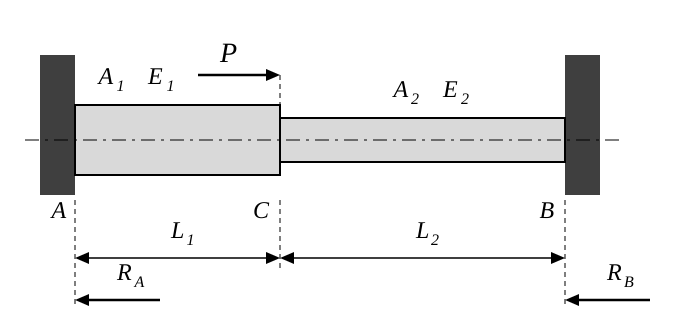
Bài toán chỉ dùng phương trình cân bằng đã giải được là tĩnh định, còn bài toán không giải được như vậy là siêu tĩnh. Thanh này có hai phản lực chưa biết là và , trong khi chỉ lập được một phương trình cân bằng theo phương dọc trục. Thiếu mất một phương trình, nên chỉ nhìn vào lực thì chưa xác định được đáp số.
Phương trình còn thiếu được lấy từ biến dạng. Hai bức tường ở hai đầu không dịch chuyển, nên chiều dài toàn bộ của thanh không đổi khi chịu tải trọng. Viết điều đó thành phương trình sẽ có thêm một điều kiện độc lập với cân bằng lực. Điểm mấu chốt của bài toán siêu tĩnh nằm ở chỗ “xét đến biến dạng” này.
Cách giải
1. Lập phương trình cân bằng
Xem toàn bộ thanh như một vật thể và lập cân bằng lực theo phương dọc trục.
Có hai ẩn số nhưng chỉ có một phương trình. Phải dừng lại ở đây chính là điều làm nên bài toán siêu tĩnh.
2. Lập điều kiện tương thích biến dạng
Cắt thanh tại điểm C thì lực dọc trục trong đoạn 1 là (kéo), trong đoạn 2 là (nén). Độ giãn dài của từng đoạn viết theo định luật Hooke như sau.
Vì hai đầu không dịch chuyển nên chiều dài toàn bộ của thanh không đổi, tức là tổng độ giãn dài của hai đoạn bằng 0. Đó chính là điều kiện tương thích biến dạng.
3. Giải hệ hai phương trình
Đặt độ cứng của mỗi đoạn là thì điều kiện tương thích viết được thành . Giải nó cùng với phương trình cân bằng sẽ xác định được phản lực và chuyển vị tại C.
Phản lực được phân chia theo tỉ lệ độ cứng. Sẽ dễ hình dung nếu xem như hai lò xo nằm hai bên điểm C cùng chia nhau tải trọng. Bên cứng hơn, tức bên có k lớn hơn, gánh phản lực lớn hơn.
Khi diện tích mặt cắt và mô đun đàn hồi như nhau trên toàn thanh
Khi và thì độ cứng là và , nên bị ước đi khỏi các công thức trên và chỉ còn lại công thức theo chiều dài.
Mỗi phản lực được phân chia tỉ lệ với chiều dài của đoạn nằm ở phía đối diện. Bên ngắn hơn thì cứng hơn nên gánh phản lực lớn hơn. Đáp số không đổi dù dùng vật liệu nào là vì bị ước đi; nếu làm thanh có bậc hoặc đổi vật liệu thì nó không ước đi được nữa và phải dùng công thức độ cứng ở trên.
Quy ước dấu
Nhầm dấu là cái bẫy lớn nhất trong bài toán siêu tĩnh. Công cụ này quy ước các chiều sau đây là chiều dương. Hãy kiểm tra lại trước khi đọc kết quả.
| Đại lượng | Chiều quy ước dương | Ghi chú |
|---|---|---|
| Tải trọng P | Chiều từ A đến B | Nếu tải trọng tác dụng theo chiều ngược lại thì nhập P là giá trị âm. Dấu của mọi kết quả sẽ đảo lại đúng như vậy. |
| Lực dọc trục N | Kéo | Khi P > 0, đoạn 1 chịu kéo nên mang dấu dương, đoạn 2 chịu nén nên mang dấu âm. |
| Phản lực R | Chiều tường đẩy lại thanh (ngược với P) | Lấy chiều như vậy thì khi P > 0 cả hai phản lực đều dương, và phương trình cân bằng viết được thành R_A + R_B = P. |
| Ứng suất σ | Kéo | Đại lượng này mang nguyên dấu của lực dọc trục. Giá trị âm nghĩa là nén. |
| Độ giãn dài λ | Độ giãn dài | Ở đoạn bị co ngắn, giá trị mang dấu âm. Tổng của hai đoạn bằng 0. |
| Chuyển vị tại C, δ_C | Chiều từ A đến B | Bằng đúng độ giãn dài λ₁ của đoạn 1. |
Cách kiểm tra kết quả
Dù thay đổi giá trị nhập, hai điều sau luôn đúng. Nếu không đúng, hãy nghi ngờ đơn vị hoặc chiều của giá trị đã nhập.
- Cân bằng: . Cộng hai phản lực lại sẽ trở về đúng tải trọng
- Tương thích biến dạng: . Đây chính là “tổng độ giãn dài” ở phần kết quả, và nó hiện ra bằng 0
Trang liên quan
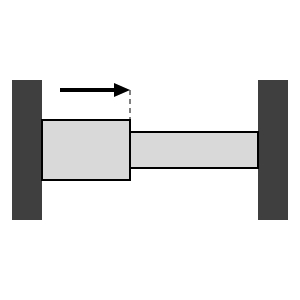
Trang tính dùng các công thức đã trình bày ở đây để tìm phản lực, lực dọc trục, ứng suất và độ giãn dài.
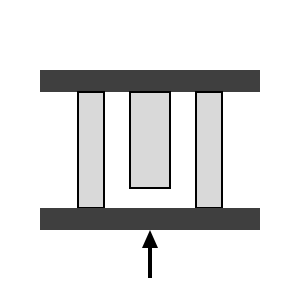
Cũng là bài toán siêu tĩnh, nhưng các cấu kiện xếp song song. Khi đó điều kiện tương thích biến dạng có dạng "tấm cứng chỉ có một chuyển vị chung".